Protect Yourself from Common Notary Scams and Smart Strategies to Avoid Them
Notary services play a crucial role in verifying important documents, but scammers often exploit this trust to commit fraud. Every year, thousands of people fall victim to notary scams that can lead to financial loss, identity theft, or legal troubles. Understanding how these scams work and learning practical ways to avoid them can protect you and your assets.
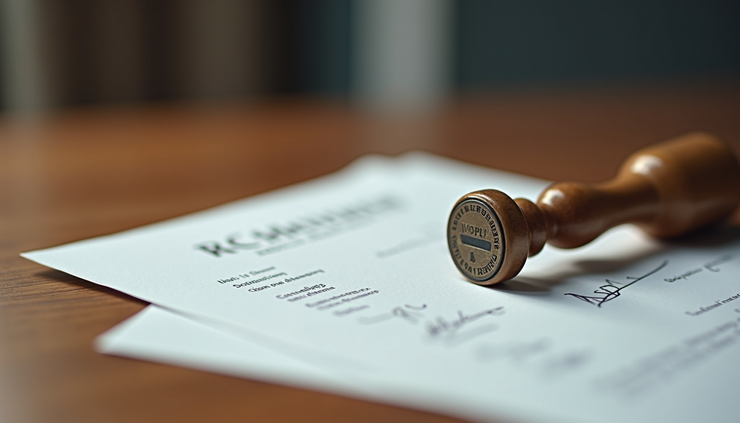
Common Notary Scams to Watch Out For
Fake Notaries
One of the most frequent scams involves individuals posing as licensed notaries without proper certification. These imposters may offer services at a lower price or promise quick notarization but lack the legal authority to perform the task. Documents notarized by fake notaries can be invalid, causing serious issues later.
Overcharging and Hidden Fees
Some dishonest notaries charge excessive fees or add unexpected costs after the service is completed. They might claim additional charges for travel, rush services, or extra copies, which are often not justified by law. This tactic takes advantage of clients who are unfamiliar with standard notary fees.
Document Tampering
Scammers may alter documents after notarization or notarize incomplete forms, allowing them to add fraudulent information later. This can lead to unauthorized transactions, such as property transfers or loan approvals, without the signer's knowledge.
Identity Theft Through Notarization
Notaries often require personal identification to verify signers. Unscrupulous notaries might misuse this information to steal identities or sell data to third parties. This risk increases when notarization happens in unsecured or public settings.
Pressure to Sign Without Proper Review
Some notaries or agents pressure clients to sign documents quickly without reading or understanding the content. This rush can result in signing contracts or agreements that are unfavorable or fraudulent.
How to Avoid Notary Scams
Verify Notary Credentials
Always check that the notary is licensed and in good standing with your state’s commissioning authority. Many states provide online databases where you can confirm a notary’s status. Avoid anyone who cannot provide proof of their commission.
Understand Standard Fees
Research the typical fees for notary services in your area before scheduling an appointment. The National Notary Association suggests fees usually range from $5 to $15 per signature. Be wary of anyone charging significantly more or adding unexpected costs.
Never Sign Blank or Incomplete Documents
Before meeting a notary, ensure all documents are complete and accurate. Do not sign anything that has blank spaces or missing information. This practice prevents scammers from inserting fraudulent details after notarization.

Use Trusted Notary Services
Choose notaries recommended by banks, law offices, or reputable organizations. If possible, use mobile notary services that provide identification verification and secure handling of documents. Avoid notarizing documents in public places without privacy.
Protect Your Personal Information
Only provide identification documents when necessary and ensure the notary records the details in their official journal. Avoid sharing extra personal information beyond what is required for notarization.
Take Your Time to Review Documents
Do not let anyone rush you into signing. Read every page carefully or ask for legal advice if you do not understand the terms. A legitimate notary will respect your need to review documents thoroughly.
What to Do If You Suspect a Notary Scam
If you believe you have encountered a notary scam, report it immediately to your state’s notary regulating authority. You can also contact local law enforcement if you suspect fraud or identity theft. Keep copies of all documents and any communication related to the transaction for evidence.
Final Thoughts on Staying Safe
Notary scams can cause serious harm, but staying informed and cautious can protect you. Always verify credentials, understand fees, and never sign documents without full knowledge of their content. Using trusted notaries and safeguarding your personal information reduces the risk of falling victim to scams.


Comments